My dry cleaner pinned the hem on my gray trousers last October while I stood on a little carpeted box in my loafers, then wrote "$14, Thursday" on a pink ticket. Harper, who'd come along because it was Saturday and I'd promised her a stop at the library, was ranking the spools of thread on the wall by color. Navy came in first. Of course it did.
Those trousers were $39 on clearance at Ann Taylor. They were also two inches too long, so for months before that I wore them only with heels. Fourteen dollars later they work with every shoe I own and I wear them almost every week. Nine months and about 30 washes in, the stitching hasn't moved. That's the kind of math I like.
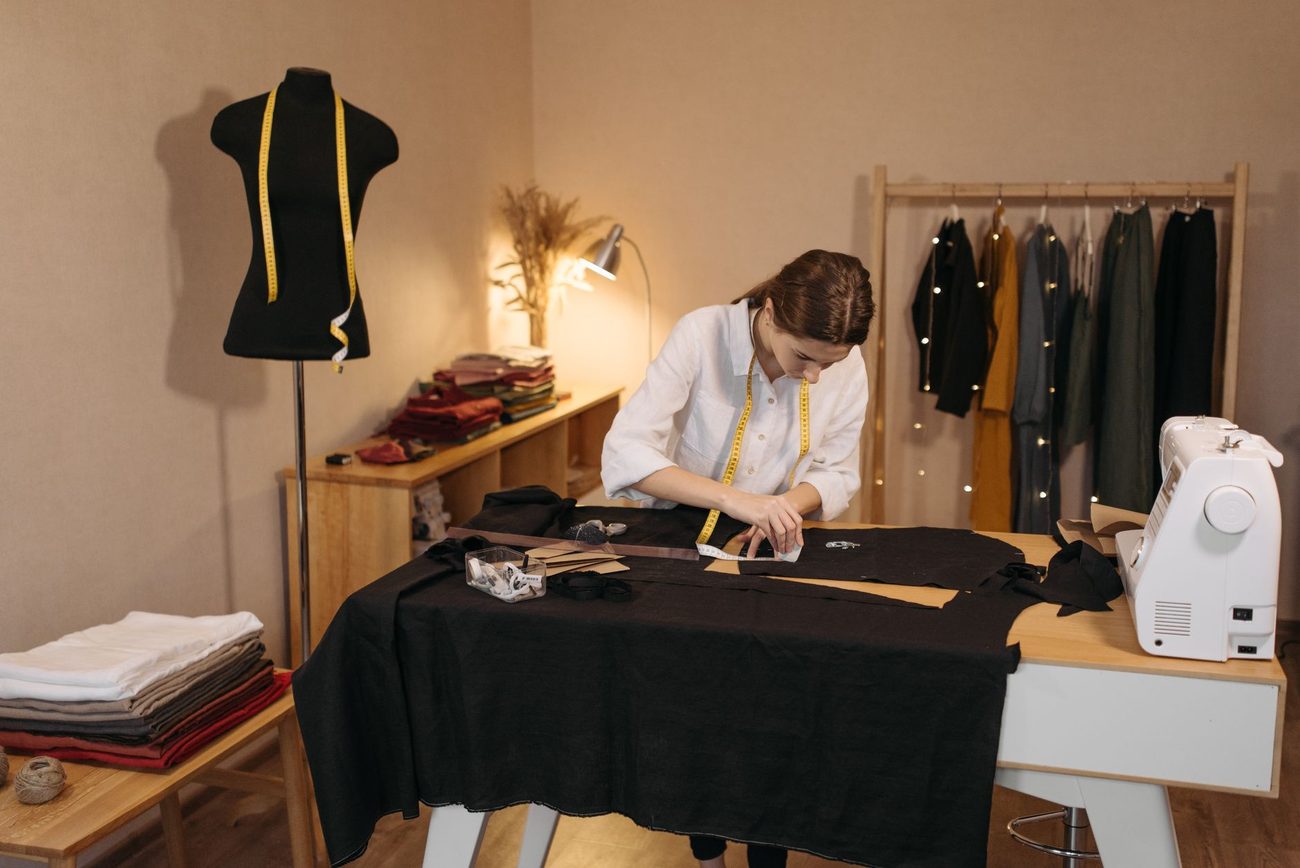
The shop is a dry cleaner here in Decatur that does alterations in a back room. These are the five alterations I've paid for there, what they cost and how they've held up.
Five alterations and whether they were worth it
| Piece (what I paid) | Alteration | Cost | Worth it? |
|---|---|---|---|
| Gray trousers, Ann Taylor ($39) | Hem | $14 | Yes |
| Navy blazer, Banana Republic Factory ($72) | Shorten sleeves | $25 | Yes |
| Olive chinos, Old Navy ($30) | Take in the waist | $18 | Yes |
| Ivory blouse, Banana Republic Factory ($40) | Add back darts | $16 | Mostly |
| Green print dress, TJ Maxx ($30) | Take in side seams | $22 | No |
| Total | $95 |
The blazer sleeves were the one I put off longest, because $25 felt like a lot on a $72 blazer. I finally did it this spring. Now my cuffs don't cover my knuckles when I'm pointing at a schedule on a screen, which matters more than I expected in a job that is mostly pointing at schedules on screens.
The chinos fit everywhere except the back of the waist, which gapped when I sat down. My dry cleaner took it in by about an inch for $18. They're my Monday and Friday home pants now, and I've stopped tugging at them on video calls.
The blouse was boxy enough that it looked like I was wearing a pillowcase under my blazer. Two darts in the back fixed the shape for $16. I say "mostly" because the fabric still wrinkles if I so much as look at it, and no tailor can fix that.
The green dress is the lesson. It was a $30 find, a little tight across the back, and I paid $22 to have the side seams adjusted. The seams were fine afterward. The fabric still pulled across my shoulders, because that was the actual problem, and I've worn it twice since.
One more thing I've learned the hard way: alterations can take a piece from fine to mine, but they don't change what the piece is. A tailor can't make a polyester blouse breathe in July, and no hem in the world will stop cheap fabric from pilling. I check the fabric first and the fit second.
My rules now
- If the alteration costs more than half of what I paid, I only do it for something I'll wear every week.
- Hems, sleeves, waists and darts have been worth it for me. Shoulders and anything too short have not.
- I bring the shoes I'll actually wear with the piece, so the hem lands in the right place.
- I ask the price before the pins go in. It's never awkward, and it has saved me once.
- Turnaround is usually five to seven days, so I don't drop something off the week I need it.
From the HR side, I sat on a lot of interview panels over 14 years. Nobody ever leaned over after a candidate left and said, "Those were inexpensive pants." People did notice pant legs bunching over shoes and blazer sleeves swallowing someone's hands. They didn't always know what they were noticing, but it registered as "not quite put together."
I spend about $600 a year on work clothes. The $95 in alterations, spread over about a year and a half, has done more for my closet than another $95 of new things would have. The inexpensive pants with a good hem have beaten the pricier pants that don't fit every time I've tested it.