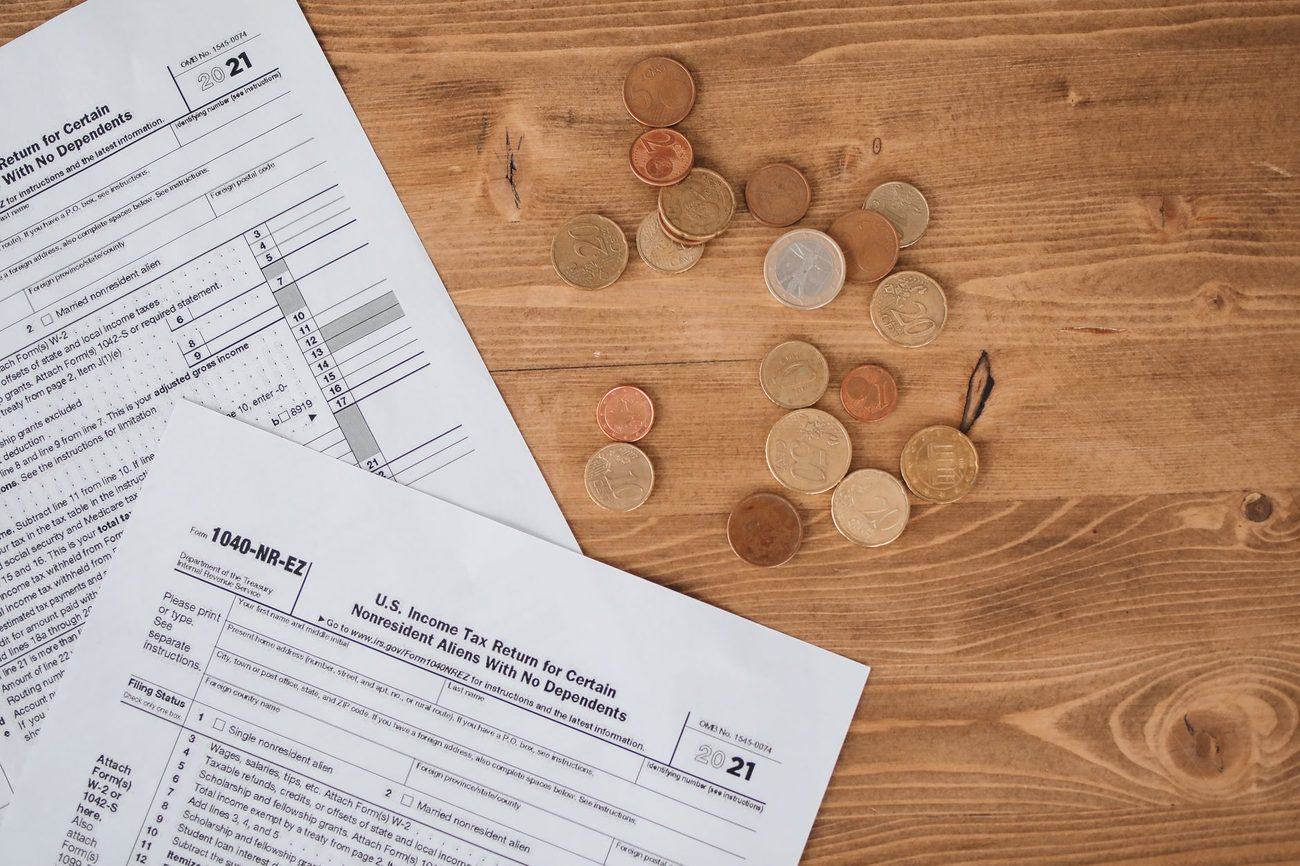
At 9:20 on a Sunday night, the tax software asked me a simple question: did anyone in your household have a health savings account? I clicked yes, because we do. Twenty minutes later our return had an extra form on it that didn't belong there.
This was our first tax season since we switched to a high-deductible plan with an HSA, and I'd been bracing for it. What I hadn't thought through was the calendar. Our HSA started on January 1, 2026, with the new plan. The return I was working on covers 2025, when we were still on the PPO and not a single dollar went into an HSA. The software had helpfully built the HSA form anyway, with a row of zeros and a question about months of coverage I could only answer with "none."
I read the form's instructions twice, took it off and moved on. Next year's return is the one where the HSA shows up for real: what came out of my paychecks, my company's $750 and what we spent from it. I've kept an HSA tab on our spreadsheet and a receipts envelope on my desk since January, so next March should be boring. Boring is the goal.
The W-2 question I fielded most in my HR years was why Box 1 was smaller than the person's salary. Usually the answer was the 401(k) and health insurance premiums, which come out before taxes. Ours had the same gap, and it got a little wider in June when my 401(k) went from 5% to 8%.
The childcare credit we almost missed
I had it in my head that the childcare credit was for daycare, and for families who earn less than we do. I clicked right past the section on the first pass. The software's review screen flagged it, and I'm glad, because both assumptions turned out to be wrong for us. After-school care and Harper's summer day camps were in scope, and the credit was smaller at our income but not zero.
What it needed was the part I hadn't kept: each provider's name, address and tax ID number. Here's what we paid in 2025:
- After-school program, ten school months at $320: $3,200
- City day camp, five weeks at $165: $825
- Art camp, one week: $210
- Soccer camp, one week: $145
Camp grandma in Florence wasn't on the list. My parents charged us nothing but gas money and a promise to spend Christmas with them.
I spent a Monday lunch break emailing the after-school program and the city's camp office for their tax ID numbers. Both answered within a day. The art camp's number was printed on my receipt the whole time, which I discovered after I'd emailed them too.
A refund $600 smaller, and what we did with it
Our refund came to $1,640. Last year's was $2,240. My first reaction was that something had gone wrong, and I spent an evening looking for it.
Nothing went wrong. A refund is just the difference between what came out of our paychecks for taxes during the year and what we ended up owing. In 2025 both of those numbers moved a little: my 401(k) contribution changed in June, the savings account that holds our emergency fund paid more interest than it ever had, and our childcare costs shifted. A smaller refund doesn't mean a bigger tax bill. Sometimes it means a little more stayed in each paycheck along the way.
We split it down the middle. $820 went to the emergency fund, which is getting close to three months of expenses. The other $820 went to the beach week we booked for June, so a good part of that trip is paid for before we pack a single towel.
Here's what I'd do earlier next year:
- Collect each childcare provider's tax ID when I pay the first bill, not in March.
- Check which year a change actually belongs to before I click yes.
- Look at our withholding once in the summer, so the refund is a number I expect instead of a mood.
- File HSA receipts every month instead of in one pile.
We filed Tuesday night, a week before spring break. Harper's only interest in any of this was whether "refund" meant she was getting money back. It does not.
This was our return and our situation. Taxes have more exceptions than rules, so a tax preparer is the right person for questions about yours.